Need to See a Gynecologic Surgeon?

Check any that apply to you:

  • You’ve been told you have fibroids, ovarian cysts, or endometriosis.
  • Heavy or painful periods are interfering with your daily life.
  • You've tried medication or other treatments, but symptoms keep coming back.
  • Pelvic pain or pressure makes exercising, working, or enjoying intimacy difficult.
  • You’ve been recommended for surgery, but want a less invasive option.
  • You’re looking for a faster recovery and fewer risks than traditional surgery.
  • You want expert care from a team that specializes in complex gynecologic procedures.

Contact us today if you’ve checked any boxes—solutions don’t have to be hard to find.

Schedule Your First Visit

Disclaimer: We'll reach out within 1 business day. Your information is always kept private.

Why Women’s HealthFirst?

Dr. Szela is MIGS-certified, a distinction earned through specialized board exams and completion of a high volume of complex gynecologic cases.

Dr. Szela has completed over 2,000 minimally invasive procedures, making him one of the most experienced robotic surgeons in the Chicago area. Dr. Lutheringshausen has completed close to 1,000 complex MIGS cases. 

As a leading practice within Nova Women’s Health Partners, Women’s HealthFirst connects you to coordinated care across five different locations across the Northwest suburbs of Chicago.

Big Relief, Small Incisions

WHF - MIGS -  Feel like yourself again copy

Feel Like Yourself Again

WHF - MIGS - Fast recovery copy

Faster Recovery, Fewer Disruptions

WHF - MIGS - Protect your reproductive health copy

Protect Your Reproductive Health

Not All Surgery Is the Same

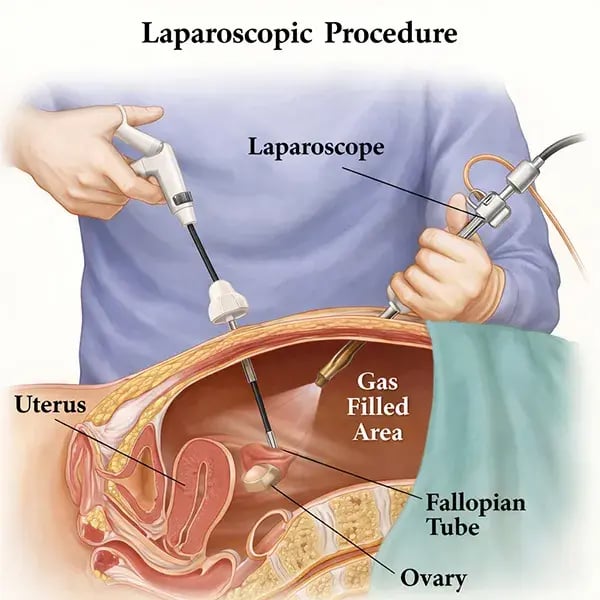
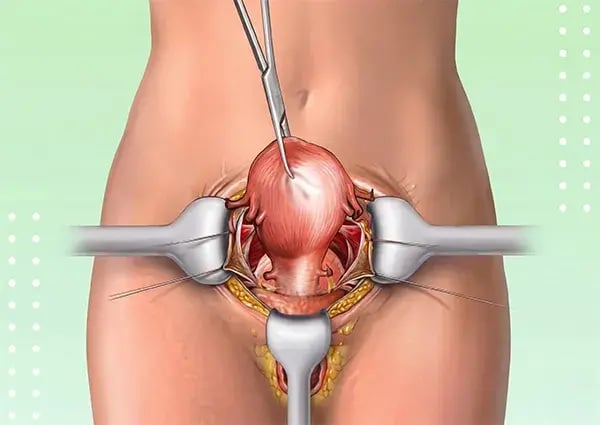
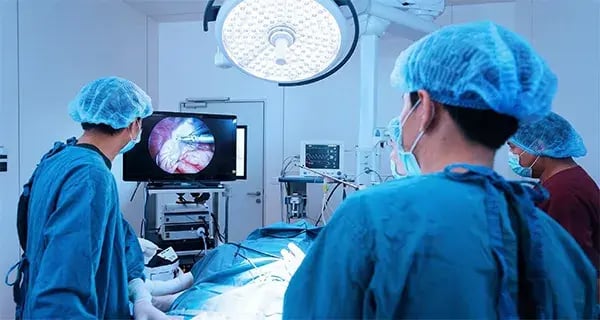
When surgery is needed, you have options. The difference between open, laparoscopic, and robotic surgery often comes down to incision size, recovery time, and surgical precision.

Open
Surgery

  • Larger abdominal incision
  • Longer hospital stay
  • Longer recovery
  • Rarely used; usually reserved for cases where minimally invasive access isn’t possible

Laparoscopic Surgery

  • Small 5-10mm incisions
  • Often outpatient
  • Faster recovery
  • Used for many routine gynecologic procedures

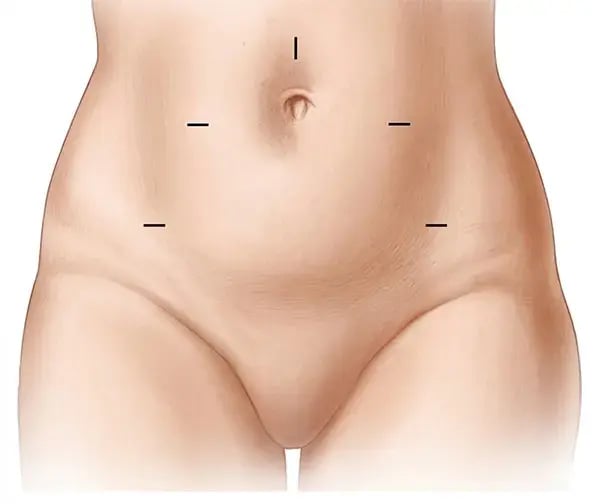
MIGS Robotic Surgery

  • Small 5-10mm incisions
  • Often outpatient
  • Fastest recovery with enhanced precision
  • When careful precision, gentle surgery, or preserving fertility is needed

Ready to Take That Next Step?

If pain, pressure, or heavy bleeding is holding you back, let’s talk. Schedule a consultation today to explore minimally invasive options that work for your life.

What Our Patients Say

Conditions Treated with Robotic, Minimally-Invasive Gynecologic Surgery

MIGS - Uterine Fibroids copy

Uterine Fibroids

  • Heavy periods and pelvic pain.
MIGS - Endometriosis copy

Endometriosis

  • Severe cramps, pain during sex, and fertility issues.
MIGS - Ovarian Cysts copy

Ovarian Cysts

  • Pain, bloating, or menstrual changes.
MIGS - Precancerous Changes copy

Precancerous Changes

  • Abnormal cells found in the cervix, uterus, or ovaries.
MIGS -Other Concerns We Treat copy

Other Concerns We Treat

  • Abnormal uterine bleeding
  • Pelvic pain
  • Adenomyosis
  • Uterine polyps
  • Ectopic pregnancy
  • Pelvic adhesions
  • Infertility-related structural issues
  • Chronic or recurrent miscarriage causes
  • Pelvic Inflammatory Disease (PID)

MIGS Treatment Options

Some of the most common types of minimally invasive procedures performed by MIGS-certified surgeons at Women’s HealthFirst include:

What Does Robotic Surgery Actually Mean?

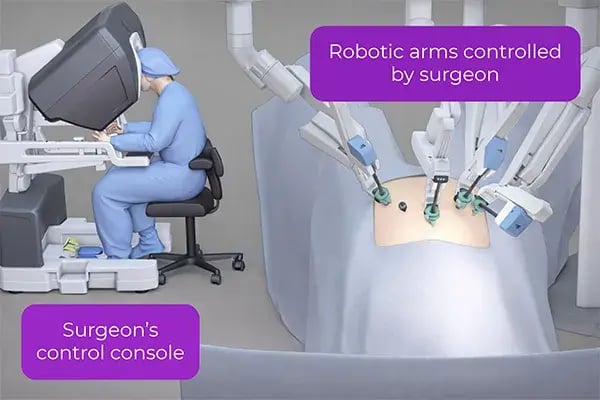
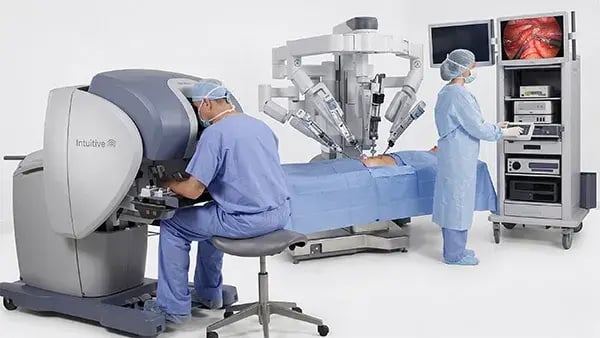
Robotic surgery doesn’t mean a robot operates on you alone. Your surgeon is in complete control the entire time.

The Da Vinci system allows your surgeon to sit at a console in the operating room, using hand controls to guide highly precise instruments in real time. The robot translates your surgeon’s movements into smaller, steadier, more precise motions.

What to Expect: Your Care Journey, 4 Simple Steps

1

Understand Your Symptoms

Confidential one-on-one consultation to learn your symptoms.

2

Get Clarity with Advanced Diagnostics

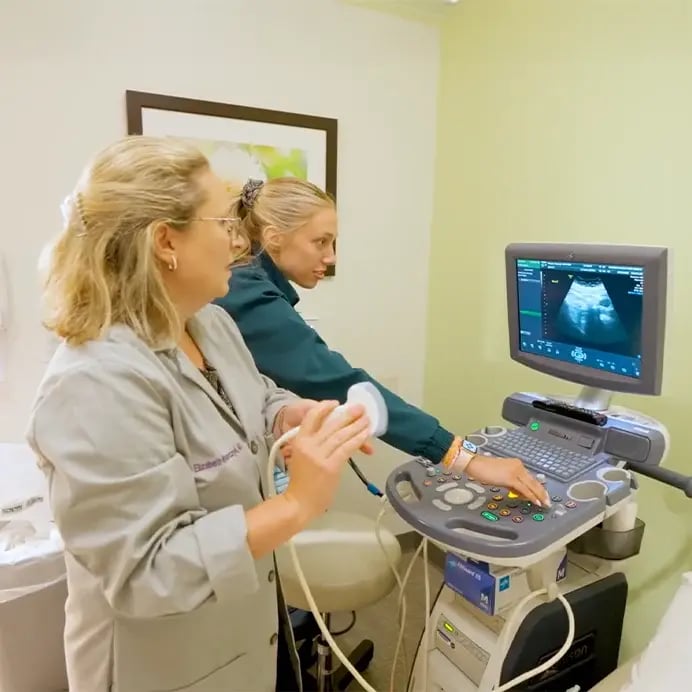
In-office diagnostics to pinpoint the issue.

3

Choose the Right Procedure, Together

We’ll craft the treatment plan right for your body.

4

Heal Faster with Expert Support

Regular check-ins post-procedure to track your progress.

Ready to reclaim your care?
Schedule online or call us at (847) 613-1335.

4 Locations Conveniently Located Across Chicago’s Northwest Suburbs

Office Locations

Palatine, IL

231 E Northwest Hwy, Palatine, IL 60067

Schaumburg, IL

Hoffman Estates, IL

Bartlett, IL

You Deserve Clarity & Relief—Schedule Your MIGS Consult Today

Living with pain, pressure, or heavy bleeding isn’t just uncomfortable—it can affect every part of your life. Minimally invasive gynecologic surgery provides real solutions with less downtime and more time to return to your normal self. Let’s take the next step, together.

Simply fill out the form below, and a care team member will contact you to help you schedule your first visit.

Prefer to call? Reach us directly at (847) 613-1335

Schedule Your First Visit

Disclaimer: We'll reach out within 1 business day. Your information is always kept private.

Frequently Asked Questions

Minimally invasive procedures use small incisions and specialized tools—like laparoscopes or surgical robots—to treat conditions with less pain, fewer scars, and faster recovery than traditional open surgery.

Possibly. If your symptoms persist despite medication or if imaging reveals fibroids, cysts, or other structural issues, surgery may be the most effective next step, especially when done using minimally invasive techniques.

Depending on the procedure, most patients return to normal activities within a few days to a week. Full recovery is typically much quicker than with traditional surgery.

Yes. MIGS is often used to treat structural issues like fibroids, cysts, or endometriosis that may impact fertility, helping improve your chances of conceiving.

Absolutely. Our surgeons use the Da Vinci robotic system, which offers precision, control, and visibility beyond what’s possible with traditional techniques—and they’ve performed thousands of successful cases.

In most cases, yes. Many minimally invasive procedures are designed to preserve fertility or even improve it, especially when treating conditions like fibroids or endometriosis. Your surgeon will discuss what’s right for you.